Does JCPenney Take Apple Pay? Here’s the Clear Answer
Table of Contents
If you are standing in a JCPenney line wondering, “does JCPenney take Apple Pay?”, you are not alone. Mobile wallets are common now, and many shoppers want to tap an iPhone or Apple Watch and go. The short answer is that JCPenney’s support for Apple Pay has changed over time, so you should not assume it works at every store or in every channel.
This guide explains how JCPenney handles Apple Pay today, what to expect in-store and online, and which backup payment methods you should have ready. You will also see how to use Apple Pay correctly if your local JCPenney does support it, and how Apple Pay compares with other ways to pay.
Current Status: Does JCPenney Take Apple Pay Right Now?
JCPenney has had an on‑and‑off history with Apple Pay. The retailer tested and supported Apple Pay in many stores, then removed it for a period, and in some areas has reintroduced contactless payments. Because of that, the answer can vary by location and by time.
Chain‑wide policy versus local store practice
As of the latest public information before 2025, JCPenney does not clearly promote Apple Pay as a standard, chain‑wide payment option. Some stores may have contactless terminals that accept Apple Pay, while others may not. Company policies and payment partners can also change, so you should always confirm with the store or check the payment terminal screen.
For online and in‑app orders, JCPenney’s main focus is on cards and store credit rather than mobile wallets. Apple Pay is not widely listed as a checkout option on jcpenney.com, so you should expect card entry to be the default method there.
How to Check If Your Local JCPenney Accepts Apple Pay
Because the answer can differ from store to store, a quick check before you pay can save time. You have a few simple ways to confirm support for Apple Pay at your local JCPenney and avoid an awkward moment at the register.
Practical ways to confirm Apple Pay support
Use one or more of these methods before you reach the register or start tapping your phone on the terminal.
- Look for the contactless symbol at checkout: The contactless logo (four curved lines) on the card reader usually means Apple Pay should work.
- Ask a cashier or customer service: A direct “Do you take Apple Pay?” is fast and clear.
- Check the Wallet app’s Maps info: In Apple Maps, some stores show “Accepts Apple Pay,” but this may not always be up to date.
- Do a small test purchase: If the terminal supports contactless cards, try holding your iPhone or Apple Watch to the reader.
- Call the store ahead: Use the phone number on JCPenney’s store locator page and ask about Apple Pay support.
Using these checks helps you avoid surprises at the register and gives you time to switch to a card or another method if Apple Pay is not available. Treat Apple Pay as a bonus feature at JCPenney, not the only way you can pay.
How to Use Apple Pay at JCPenney (If Your Store Supports It)
If your JCPenney location does accept Apple Pay, the payment process is quick. The exact steps depend on whether you use an iPhone with Face ID, an iPhone with Touch ID, or an Apple Watch, but the flow at the register is similar.
Step‑by‑step Apple Pay checkout process
Make sure you have already added a debit or credit card to Apple Wallet before you get in line. Then follow these steps at checkout to pay with Apple Pay at a JCPenney store that supports contactless payments.
- Tell the cashier you want to pay with a card or contactless payment.
- Wake your iPhone or Apple Watch and open Apple Pay by double‑clicking the side or Home button.
- Confirm the card shown, or switch to another card in Wallet if needed.
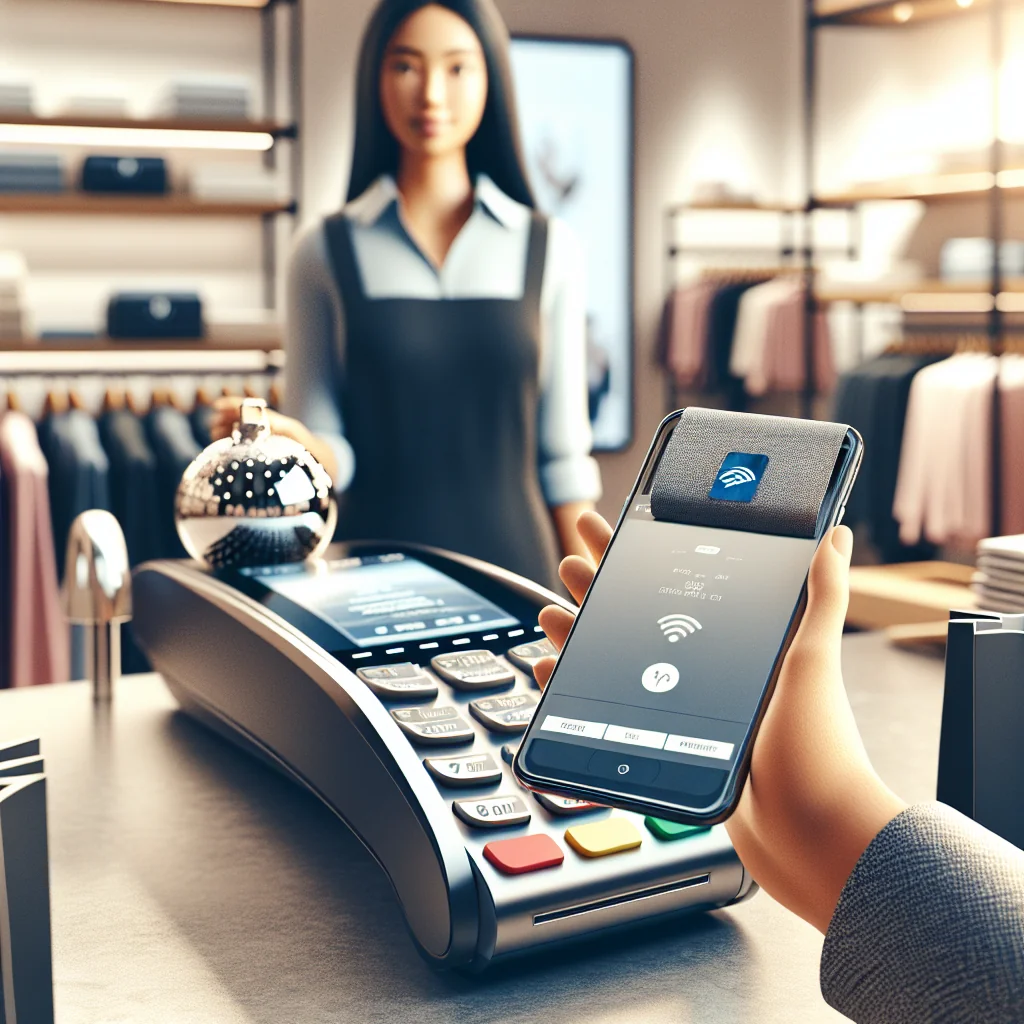
- Hold your device near the payment terminal, where you tap contactless cards.
- Authenticate with Face ID, Touch ID, or your device passcode when prompted.
- Wait for the “Done” or checkmark on your device and a confirmation on the terminal.
If the payment fails, the terminal may show an error or ask you to insert or swipe a physical card. In that case, use your backup payment method to finish the purchase so you do not delay the line.
Other Payment Methods JCPenney Commonly Accepts
Because support for Apple Pay at JCPenney is not guaranteed, having a backup option is smart. JCPenney accepts several standard payment methods in stores and online, which makes it easy to complete your purchase even if Apple Pay is not available at your location.
Typical in‑store and online payment options
In physical JCPenney stores, you can typically pay with major credit cards such as Visa, Mastercard, American Express, and Discover, JCPenney store credit cards, and debit cards with a major card logo. Many locations also accept cash and JCPenney gift cards.
Online, JCPenney supports major credit and debit cards, JCPenney credit cards, and JCPenney gift cards or e‑gift cards. Some orders may also support third‑party payment services, depending on current partnerships, but these options can change over time, so always check the final checkout page.
Does JCPenney Take Apple Pay Online or in the App?
Many shoppers asking “does JCPenney take Apple Pay” want to know about in‑store payments, but online checkout is also important. Apple Pay on the web or in apps lets you pay without typing card numbers, which many people like for privacy and speed.
Apple Pay for web and app orders
JCPenney’s online store focuses on card payments and store credit, and Apple Pay is not widely promoted as a web checkout method. If Apple Pay appears as a button during checkout in your browser or in an app, you can use it, but you should not expect to see it on every device or in every region.
If you prefer Apple Pay for privacy, one alternative is to use a virtual card from your bank or a card issuer that supports temporary numbers. This gives you some of the same security benefits when you shop on jcpenney.com, even if Apple Pay itself is not shown as an option.
Why Apple Pay Availability at JCPenney Can Change
Many shoppers are confused because JCPenney has supported Apple Pay in the past, then removed it, and in some cases brought back contactless payments. Several factors can affect whether Apple Pay is active at a given time or at a specific store.
Technology, contracts, and hardware upgrades
First, JCPenney may change payment processors or update its point‑of‑sale systems. These changes can add or remove support for specific wallet brands. Second, the company may adjust its policies based on costs, security, or customer demand. Third, individual stores may upgrade hardware at different times, so some locations can accept Apple Pay while others still use older terminals.
Because of these moving parts, no single answer stays correct forever. The best approach is to treat Apple Pay as a “nice to have” at JCPenney and always carry a physical card or another payment option so you are covered even if contactless payment is turned off.
Is Apple Pay at JCPenney Safe and Worth Using?
Apple Pay is generally considered a secure way to pay in any store that supports it, including JCPenney locations that accept contactless payments. Apple Pay does not share your actual card number with the merchant, which helps reduce the chance that your card details will be stored.
Security benefits and everyday convenience
Instead of sending your real card number, Apple Pay uses a device‑specific number and a one‑time code for each transaction. This setup helps lower the risk of your real card number being exposed in a data breach. You also control payments with Face ID, Touch ID, or a passcode, which adds a layer of protection if your phone is lost or stolen.
If your JCPenney store accepts Apple Pay, using it can speed up checkout and keep your physical card in your wallet or bag. Just remember that the main concern is availability, not security, so always have a backup payment ready so you can still complete your purchase.
Apple Pay vs Other JCPenney Payment Options
To help you decide whether to reach for Apple Pay or a physical card, it helps to compare the main payment options side by side. The table below looks at speed, privacy, and how widely each method is accepted at JCPenney.
Side‑by‑side comparison of ways to pay
This comparison table summarizes key points for Apple Pay and other common JCPenney payment methods.
| Payment method | Where usually accepted | Speed at checkout | Privacy and security level |
|---|---|---|---|
| Apple Pay | Some in‑store terminals; limited or no web use | Fast tap‑to‑pay when available | High, card number is not shared with the store |
| Physical credit or debit card | In‑store and online checkout | Moderate, insert, swipe, or type card details | Standard bank protections, card number shared with store |
| JCPenney store credit card | In‑store and online, JCPenney purchases only | Moderate, similar to other cards | Standard store card protections |
| JCPenney gift card or e‑gift card | In‑store and online, JCPenney purchases only | Fast, scan or enter code | Good, spending limited to card balance |
| Cash | In‑store only | Varies, depends on change and counting | High privacy, no card data shared |
This overview shows that Apple Pay is strong on speed and privacy but weaker on availability at JCPenney. Cards and gift cards remain the most reliable options, especially for online orders, so you should keep at least one of those handy.
Quick Summary: Does JCPenney Take Apple Pay?
The question “does JCPenney take Apple Pay” does not have a simple, permanent yes or no answer. JCPenney has changed its mobile wallet support over time, and acceptance can vary by store and by channel, especially as payment hardware and contracts change.
What to remember before your next JCPenney trip
In many locations, JCPenney focuses on traditional card payments, store credit, cash, and gift cards. Some stores may allow Apple Pay through contactless terminals, but this is not guaranteed chain‑wide, and Apple Pay is not a primary checkout method online.
Before you rely on Apple Pay at JCPenney, check for the contactless symbol, ask a cashier, or bring a physical card. That way you can enjoy the speed and security of Apple Pay when it works, without getting stuck at the register if it does not.